Desktop software has been a cornerstone of personal and professional computing for decades. From word processors and graphic design tools to development environments and productivity suites, desktop applications continue to play a vital role in how people work, learn, and create. While cloud computing and mobile applications have transformed the technology landscape, desktop software remains highly relevant. As technology continues to evolve, the future of desktop software on Windows, Linux, and macOS is shaping up to be more powerful, intelligent, and interconnected than ever before.
The Continuing Importance of Desktop Software
Despite the rapid growth of web-based applications, desktop software offers several advantages that keep it relevant. Native applications typically provide better performance, enhanced security controls, offline functionality, and deeper integration with hardware resources. Professionals in fields such as software development, video editing, engineering, and scientific research often rely on desktop applications because of their efficiency and advanced capabilities.
As users demand more powerful tools and seamless experiences, operating systems are adapting to support modern workflows while maintaining the strengths of traditional desktop environments.
Artificial Intelligence Will Become a Core Feature
One of the most significant trends shaping the future of desktop software is artificial intelligence (AI). AI is no longer limited to cloud services; it is increasingly being integrated directly into desktop applications and operating systems.
On Windows, Microsoft has been investing heavily in AI-powered features designed to improve productivity and user experience. AI assistants can help users summarize documents, generate content, organize files, and automate repetitive tasks. Similar trends are emerging across macOS and Linux platforms through both commercial and open-source projects.
In the coming years, desktop applications will likely include intelligent features such as:
- Smart content generation
- Automated workflow optimization
- Real-time language translation
- Advanced voice commands
- Personalized user experiences
These innovations will help users accomplish complex tasks more efficiently while reducing the need for manual intervention.
Cloud Integration Will Continue to Expand
The future of desktop software is not about replacing local applications with cloud services but rather combining the strengths of both. Modern software increasingly uses a hybrid approach, where desktop applications provide performance and responsiveness while cloud services handle synchronization, collaboration, and storage.
Users now expect seamless access to their files and settings across multiple devices. Whether working on a Windows desktop, a Linux workstation, or a MacBook, people want consistent experiences and real-time synchronization.
As internet connectivity becomes more reliable worldwide, developers will continue building software that combines offline functionality with cloud-powered features. This approach allows users to maintain productivity even when disconnected while benefiting from cloud services whenever they are available.
Windows: Moving Toward AI-Enhanced Productivity
Windows remains the most widely used desktop operating system globally, making it a key platform for software innovation. The future of Windows software will likely focus on AI integration, security improvements, and enhanced support for modern hardware.
Developers are increasingly creating applications that take advantage of advanced processors, graphics cards, and AI acceleration chips. This trend will enable more sophisticated software for content creation, gaming, data analysis, and productivity.
Additionally, Windows is expected to further strengthen its ecosystem by improving compatibility between desktop applications, web applications, and cloud services. Users can expect smoother workflows that bridge multiple platforms and devices.
Linux: Growing Through Open-Source Innovation
Linux continues to gain popularity among developers, system administrators, researchers, and privacy-conscious users. One of Linux’s greatest strengths is its open-source nature, which allows communities worldwide to contribute to software development and innovation.
The future of Linux desktop software looks promising for several reasons:
- Increased hardware compatibility
- Improved user-friendly interfaces
- Better gaming support
- Expanded professional software availability
- Stronger adoption in education and enterprise environments
As open-source projects continue to mature, Linux may attract a broader audience beyond technical users. Many modern Linux distributions already provide polished desktop experiences that rival commercial operating systems.
Furthermore, the rise of containerization, virtualization, and cloud-native development tools gives Linux a strategic advantage in professional and enterprise settings.
macOS: Focusing on Performance and Ecosystem Integration
Apple’s macOS has built a reputation for reliability, design excellence, and strong integration with the broader Apple ecosystem. The transition to Apple Silicon processors has significantly improved performance and energy efficiency, creating new opportunities for software developers.
Future macOS applications will likely take greater advantage of machine learning capabilities built directly into Apple hardware. This will enable faster image processing, video editing, content generation, and other demanding tasks without relying heavily on external servers.
Apple’s ecosystem strategy will also continue to influence software development. Users increasingly expect seamless experiences between Mac, iPhone, iPad, and other Apple devices. Desktop software developers are adapting by creating applications that synchronize data and workflows across multiple platforms.
Security Will Become Even More Important
Cybersecurity remains a major concern for both individuals and organizations. As threats become more sophisticated, desktop software developers must prioritize security from the earliest stages of development.
Future desktop applications are expected to include:
- Stronger encryption
- Multi-factor authentication
- Secure cloud synchronization
- Enhanced privacy controls
- AI-powered threat detection
Operating systems will continue introducing security improvements to protect users from malware, phishing attacks, and unauthorized access. Software that demonstrates a strong commitment to privacy and security will likely gain greater trust among users.
Cross-Platform Development Is the Future
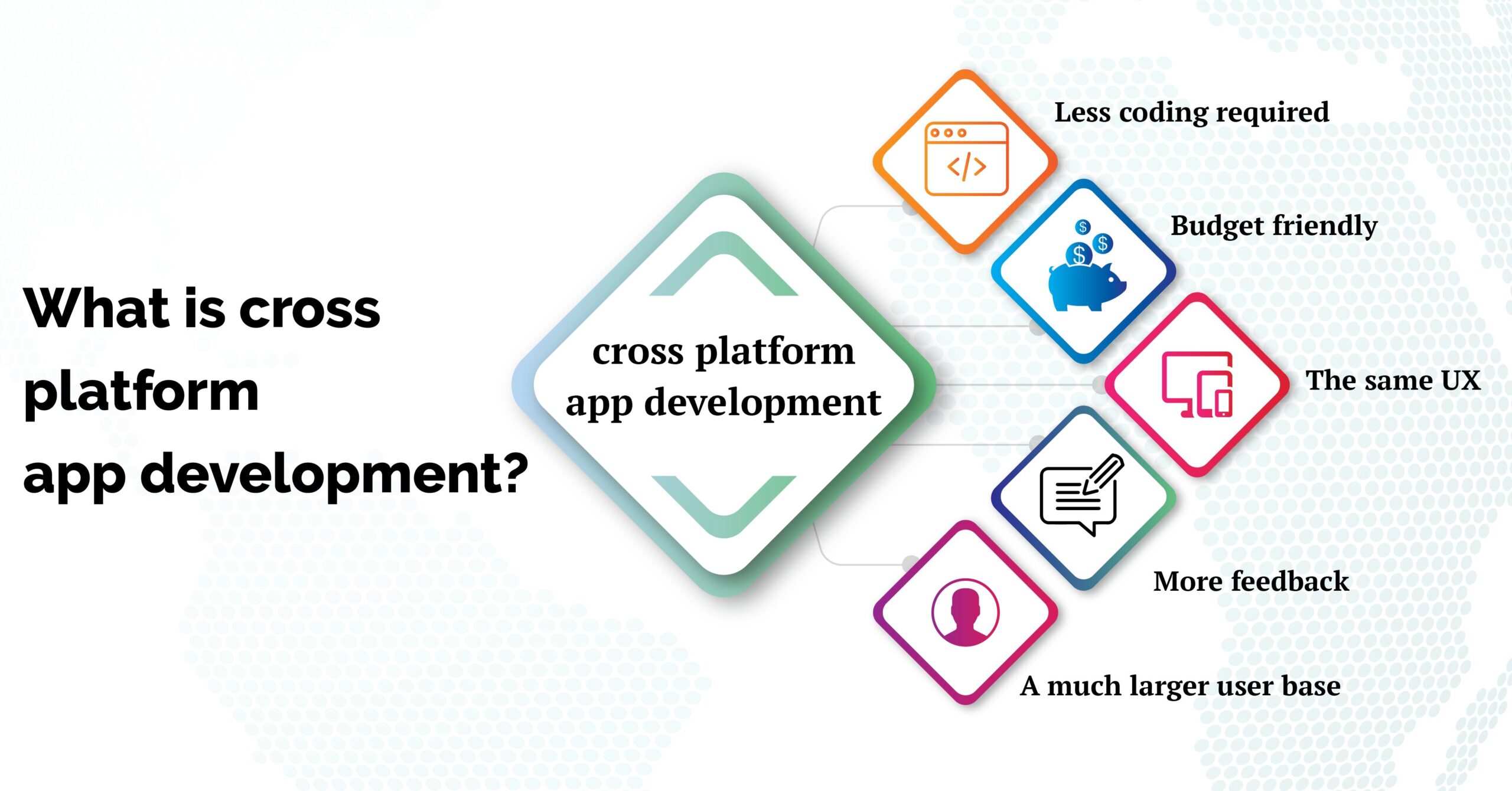
Historically, software developers often had to create separate versions of applications for Windows, Linux, and macOS. Today, modern development frameworks make cross-platform compatibility easier than ever.
Users increasingly expect their favorite applications to work across different operating systems without sacrificing performance or features. As a result, developers are investing in technologies that simplify deployment across multiple platforms.
This trend benefits both developers and users by reducing development costs while expanding software availability.
Conclusion
The future of desktop software is bright and full of innovation. While cloud computing, mobile devices, and web applications continue to evolve, desktop software remains essential for productivity, creativity, and professional work.
Windows will continue advancing through AI-powered productivity tools and hardware optimization. Linux will grow through open-source innovation and expanding user adoption. macOS will build upon its strengths in performance, design, and ecosystem integration.
Across all platforms, artificial intelligence, enhanced security, cloud integration, and cross-platform compatibility will define the next generation of desktop software. As technology progresses, users can look forward to smarter, faster, and more capable applications that help them work more efficiently and unlock new possibilities in the digital world.