Personal computing has evolved dramatically over the past few decades. What once revolved around simple desktop applications and local file storage has transformed into a connected ecosystem powered by cloud services, artificial intelligence, enhanced security, and cross-platform experiences. As technology continues to advance, software plays a crucial role in determining how people work, communicate, create, and manage their daily lives.
Today’s software trends are not only influencing the future of personal computing but also reshaping the expectations of users around the world. From AI-powered productivity tools to cloud-based collaboration platforms, these innovations are making computers more intelligent, efficient, and accessible than ever before.
Artificial Intelligence Is Becoming Mainstream
One of the most significant software trends in personal computing is the widespread adoption of artificial intelligence (AI). AI is no longer limited to research laboratories or large technology companies. It is now integrated into everyday applications that millions of people use regularly.
Modern software applications leverage AI to assist users with tasks such as:
- Writing and editing content
- Organizing emails and calendars
- Generating images and creative assets
- Summarizing documents
- Improving search results
- Automating repetitive tasks
AI-powered assistants can help users complete tasks more quickly while reducing manual effort. As machine learning models continue to improve, software applications are expected to become even more personalized and efficient.
For personal computer users, AI is transforming software from a passive tool into an active assistant capable of understanding context and providing meaningful recommendations.
Cloud Computing Continues to Expand
Cloud computing has fundamentally changed how software is developed and used. Instead of relying entirely on local storage and processing power, many applications now utilize cloud infrastructure to provide enhanced functionality and accessibility.
Users increasingly expect to access their files, settings, and applications from multiple devices. Whether switching between a desktop computer, laptop, tablet, or smartphone, people want a seamless experience.
Cloud-based software offers several benefits:
- Automatic data synchronization
- Remote access to files
- Simplified collaboration
- Reduced hardware limitations
- Improved backup and recovery options
Many popular productivity and communication tools now combine desktop functionality with cloud services, creating flexible environments that support modern work and personal lifestyles.
Cross-Platform Applications Are Gaining Popularity
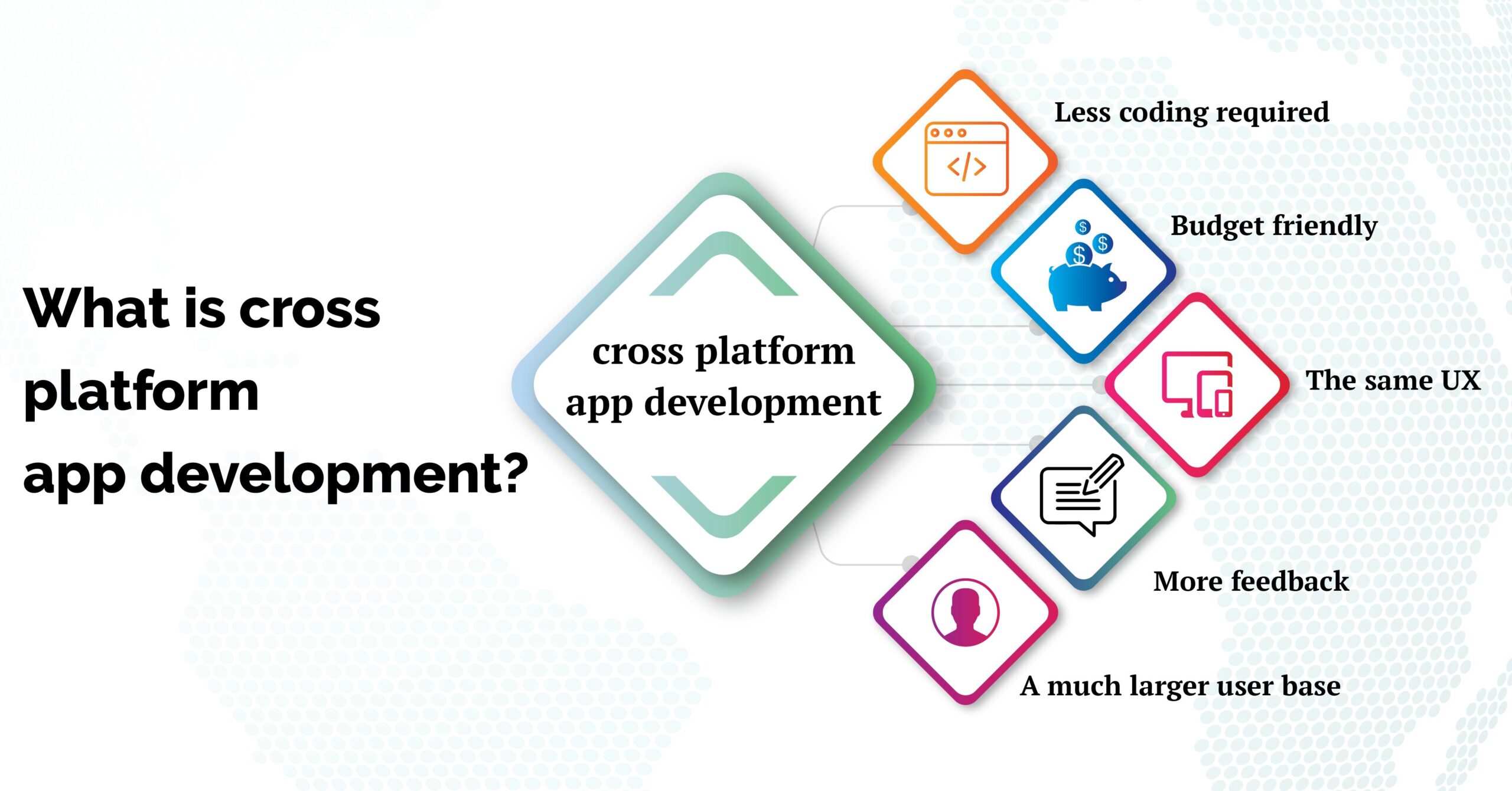
The days when software was designed exclusively for a single operating system are gradually fading. Users often own multiple devices running different operating systems, and they expect applications to work consistently across all of them.
Cross-platform software development allows developers to create applications that function on Windows, macOS, Linux, Android, and iOS using a shared codebase. This approach reduces development costs while providing broader accessibility.
For users, the advantages include:
- Consistent user experiences
- Better device compatibility
- Faster software updates
- Improved accessibility across platforms
As development tools continue to mature, cross-platform applications are becoming a preferred solution for both businesses and software developers.
Enhanced Cybersecurity Features
As digital threats continue to evolve, cybersecurity has become a top priority in software development. Personal computer users face increasing risks from malware, phishing attacks, ransomware, and identity theft.
To address these concerns, software developers are implementing stronger security measures directly into their applications and operating systems.
Current cybersecurity trends include:
- Multi-factor authentication
- End-to-end encryption
- Passwordless login systems
- AI-powered threat detection
- Secure cloud synchronization
- Enhanced privacy controls
Users are becoming more aware of data protection issues and are increasingly choosing software providers that prioritize security and transparency.
Software companies that invest in robust security features are likely to earn greater trust and long-term customer loyalty.
The Rise of Productivity Automation
Automation is becoming a major component of modern software. Many users spend considerable time performing repetitive tasks that can now be handled automatically by intelligent software systems.
Productivity applications increasingly include automation features that help users:
- Organize files
- Schedule meetings
- Generate reports
- Manage workflows
- Sort emails
- Create reminders
These tools improve efficiency by allowing users to focus on higher-value activities rather than routine administrative tasks.
For professionals, students, and businesses alike, automation represents one of the most practical and impactful software trends shaping personal computing today.
Improved User Experience and Accessibility
Software developers are placing greater emphasis on creating intuitive, user-friendly experiences. Modern applications are designed to be easier to navigate, faster to learn, and more accessible to diverse audiences.
Accessibility improvements are particularly important as technology becomes an essential part of everyday life. Many software products now include features such as:
- Voice control
- Screen reader compatibility
- Adjustable text sizes
- Keyboard navigation support
- High-contrast display modes
- Real-time transcription services
These enhancements help ensure that software can be used effectively by individuals with varying abilities and needs.
User experience design continues to be a major factor in software success, influencing customer satisfaction and retention.
Hybrid Work Is Driving Software Innovation
The global shift toward remote and hybrid work has accelerated demand for collaboration and communication tools. Employees increasingly rely on software to connect with colleagues, share information, and manage projects from different locations.
As a result, software developers are creating more sophisticated solutions that support distributed work environments.
Popular features include:
- Real-time collaboration
- Video conferencing
- Cloud-based document editing
- Team messaging
- Project management tools
- Virtual workspaces
These capabilities help organizations maintain productivity while offering greater flexibility to employees.
The influence of hybrid work is expected to continue shaping software development priorities for years to come.
Software Updates Are Becoming Smarter
Software maintenance has traditionally involved large updates that required significant downloads and manual installations. Today, developers are moving toward more intelligent update systems.
Modern applications increasingly offer:
- Automatic updates
- Background installations
- Incremental patching
- Cloud-based configuration management
- Faster deployment cycles
These improvements help keep software secure and current while minimizing disruption to users.
Frequent updates also allow developers to respond more quickly to customer feedback and emerging security threats.
Sustainability and Efficient Computing
As environmental awareness grows, software developers are paying more attention to efficiency and sustainability. Optimized applications consume fewer system resources, extend battery life, and reduce energy consumption.
Efficient software benefits users by:
- Improving device performance
- Reducing hardware strain
- Lowering power usage
- Extending device lifespan
Sustainable software design is becoming an important consideration for both consumers and organizations seeking to reduce their environmental impact.
Conclusion
Personal computing continues to evolve as software developers introduce innovative technologies that enhance productivity, security, accessibility, and user experience. Artificial intelligence, cloud computing, cross-platform development, cybersecurity, automation, and hybrid work solutions are among the most influential trends shaping the industry today.
As these technologies mature, personal computers will become smarter, more connected, and better equipped to meet the needs of modern users. Whether for work, education, creativity, or entertainment, software remains at the heart of the personal computing experience.
Understanding these trends can help users make informed decisions about the tools they use while providing insight into the future direction of technology. As innovation continues, software will play an increasingly important role in defining how people interact with the digital world.