Choosing an operating system has always been one of the most important decisions for computer users. Whether you are a student, professional, developer, gamer, or content creator, the platform you use can significantly impact your productivity, security, and overall computing experience. For decades, three major operating systems have dominated the personal computing landscape: Windows, Linux, and macOS.
As technology continues to evolve, many users are asking an important question: which platform is best positioned for the future? While each operating system has its strengths and weaknesses, understanding current trends can help users make informed decisions about which ecosystem best aligns with their needs.
The Modern Computing Landscape
Today’s computing environment is very different from what it was ten years ago. Cloud services, artificial intelligence, remote work, cybersecurity concerns, and cross-platform software have changed the way people interact with technology.
Instead of focusing solely on traditional desktop functionality, modern operating systems must support:
- AI-powered tools
- Cloud integration
- Advanced security features
- Cross-device synchronization
- High-performance computing
- Software development environments
- Content creation workflows
Windows, Linux, and macOS are all adapting to these changes, but each platform approaches the future differently.
Windows: The Most Widely Used Platform
Windows remains the world’s most popular desktop operating system. Its widespread adoption makes it the default choice for many businesses, schools, and home users.
Strengths of Windows
One of Windows’ biggest advantages is software compatibility. Most commercial software products are developed with Windows support in mind, making it the platform with the broadest application ecosystem.
Windows also excels in:
- Gaming support
- Enterprise deployment
- Hardware compatibility
- Productivity software availability
- Broad third-party support
Microsoft has also invested heavily in artificial intelligence, integrating AI-powered features directly into the operating system and productivity applications.
Challenges for Windows
Despite its popularity, Windows faces several challenges:
- Frequent security threats
- System complexity
- Resource-intensive updates
- Privacy concerns among some users
However, Microsoft continues to improve security and user experience through regular updates and modern hardware optimization.
Future Outlook
Windows is likely to remain the dominant desktop platform due to its massive user base and extensive software ecosystem. Its strong focus on AI and cloud integration positions it well for the future of personal computing.
Linux: The Power of Open Source
Linux has long been favored by developers, system administrators, researchers, and technology enthusiasts. Unlike proprietary operating systems, Linux is open source, allowing anyone to view, modify, and contribute to its development.
Strengths of Linux
Linux offers several significant advantages:
- High customization
- Strong security
- Excellent performance
- Open-source transparency
- Low hardware requirements
- Powerful development tools
Many of the world’s servers, cloud platforms, and supercomputers run Linux-based systems. This widespread adoption in enterprise and infrastructure environments highlights its reliability and scalability.
Challenges for Linux
While Linux has made substantial progress, some challenges remain:
- Limited support for certain commercial software
- Smaller gaming ecosystem compared to Windows
- Learning curve for new users
- Occasional hardware compatibility issues
However, many modern Linux distributions have become increasingly user-friendly, making them accessible to a wider audience.
Future Outlook
Linux is exceptionally well-positioned for future growth, particularly in software development, cloud computing, cybersecurity, artificial intelligence, and enterprise environments. As open-source technology continues to gain popularity, Linux could attract even more users seeking flexibility and control.
macOS: Performance and Ecosystem Integration
macOS has established itself as a premium operating system known for stability, design quality, and seamless integration with Apple devices.
Apple’s transition to Apple Silicon processors has significantly strengthened the platform by delivering impressive performance and energy efficiency.
Strengths of macOS
macOS offers several advantages:
- Optimized hardware and software integration
- Strong security features
- Excellent creative software support
- Reliable performance
- Long battery life on Apple devices
- Seamless ecosystem connectivity
Professionals working in graphic design, video production, photography, and music production often prefer macOS due to its creative software ecosystem.
Challenges for macOS
Despite its strengths, macOS has some limitations:
- Higher hardware costs
- Limited hardware customization
- Smaller gaming library compared to Windows
- Less flexibility than Linux
Because Apple controls both hardware and software, users have fewer customization options compared to competing platforms.
Future Outlook
Apple’s continued investment in custom silicon, machine learning, and ecosystem integration gives macOS a strong future. Its focus on performance, efficiency, and user experience will likely keep it attractive for creative professionals and premium consumers.
AI Will Shape the Future of All Platforms
Artificial intelligence is becoming one of the most influential factors in operating system development.
Windows is aggressively integrating AI assistants and productivity features. Apple is incorporating machine learning directly into its hardware and software ecosystem. Linux communities are rapidly adopting open-source AI frameworks and development tools.
In the coming years, users can expect:
- Smarter search capabilities
- Automated workflows
- AI-assisted content creation
- Enhanced accessibility features
- Intelligent security systems
The platform that best integrates AI while maintaining user privacy and performance may gain a significant competitive advantage.
Security and Privacy Considerations
Security is becoming increasingly important as cyber threats continue to evolve.
Linux has traditionally earned a reputation for strong security due to its open-source nature and permission-based architecture. macOS is recognized for its secure ecosystem and controlled software distribution. Windows has made substantial improvements in security but remains a common target due to its large user base.
Future operating systems will likely invest heavily in:
- Advanced threat detection
- AI-powered security tools
- Enhanced encryption
- Improved identity protection
- Privacy-focused controls
Users are becoming more aware of how their data is collected and managed, making privacy a major factor in platform selection.
Cross-Platform Software Is Changing the Game
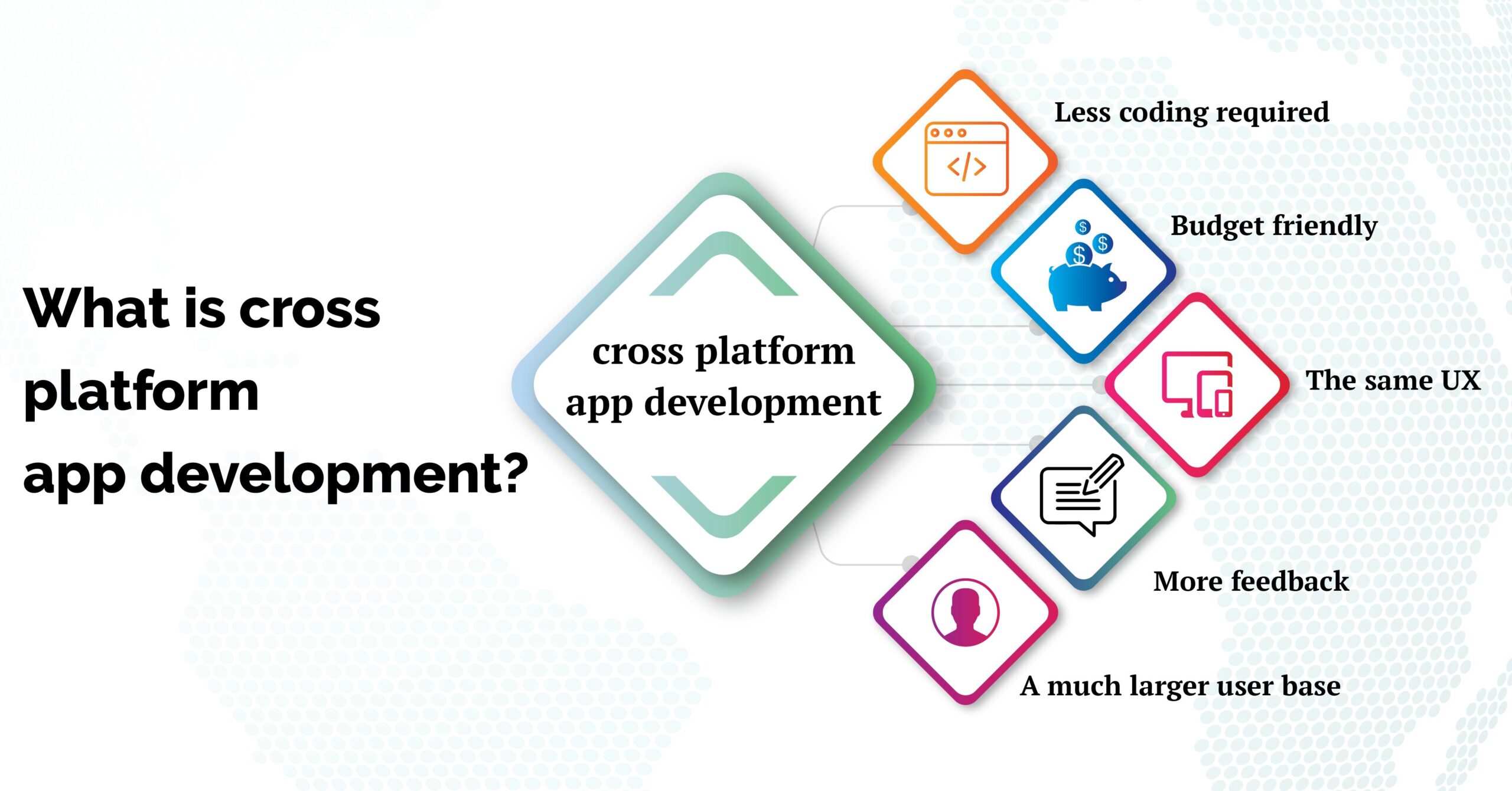
One major trend reducing the importance of operating system differences is the growth of cross-platform applications.
Many modern applications now work across Windows, Linux, and macOS with minimal differences in functionality. Cloud-based services further reduce platform dependence by allowing users to access their data and tools from virtually any device.
As cross-platform software becomes more common, users may choose operating systems based more on personal preference than software availability.
Which Platform Is Best for the Future?
The answer depends largely on the user’s needs.
- Windows remains the best choice for users seeking maximum software compatibility, gaming support, and enterprise integration.
- Linux is ideal for developers, technology professionals, privacy advocates, and users who value customization and open-source software.
- macOS excels for creative professionals and users invested in Apple’s ecosystem who prioritize performance and seamless device integration.
Rather than one platform completely replacing the others, the future will likely involve continued coexistence, with each operating system serving different audiences and use cases.
Conclusion
Windows, Linux, and macOS each bring unique strengths to the future of computing. Windows leads in market share and software availability, Linux continues to drive innovation through open-source development, and macOS delivers a highly optimized and integrated user experience.
As artificial intelligence, cloud computing, cybersecurity, and cross-platform software continue to evolve, all three platforms are adapting to meet changing user expectations. The best platform for the future is ultimately the one that aligns with your workflow, priorities, and long-term technology needs.
Rather than focusing solely on which operating system is “best,” users should consider which ecosystem provides the tools, flexibility, security, and performance necessary to help them succeed in an increasingly digital world.