The mobile application industry has evolved dramatically over the past decade. What began with simple apps designed for single purposes has transformed into a vast ecosystem of tools that support communication, entertainment, shopping, transportation, finance, education, and more. As user expectations continue to grow, a new concept has emerged that could reshape the future of mobile technology: the super app.
Super apps combine multiple services and functions within a single platform, allowing users to perform a wide range of activities without switching between different applications. From messaging and payments to food delivery and online shopping, super apps aim to become all-in-one digital ecosystems. As their popularity expands in various regions around the world, an important question arises: will super apps eventually replace traditional mobile applications?
While the answer is not entirely straightforward, examining current trends, advantages, and challenges can provide valuable insight into the future of mobile software.
What Is a Super App?
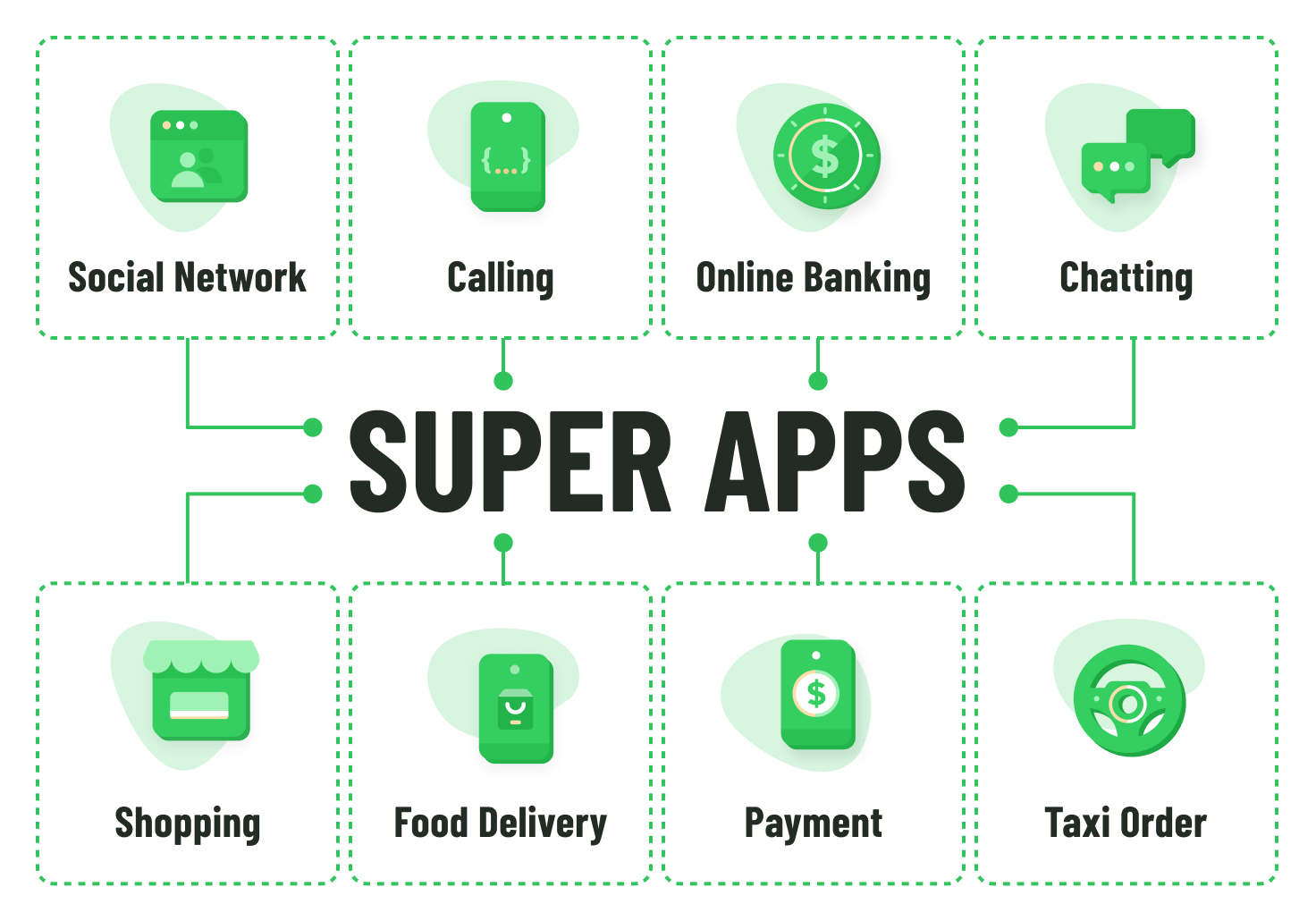
A super app is a mobile application that integrates multiple services into one platform. Instead of downloading separate apps for messaging, banking, transportation, shopping, and entertainment, users can access these functions through a single application.
The goal of a super app is convenience. By creating a unified ecosystem, users can complete various tasks without repeatedly switching between apps, creating accounts, or managing multiple interfaces.
Super apps typically offer services such as:
- Messaging and communication
- Mobile payments
- E-commerce shopping
- Food delivery
- Transportation booking
- Financial services
- Entertainment content
- Travel services
This integrated approach has proven highly successful in several markets, particularly in regions where mobile technology serves as the primary gateway to digital services.
Why Super Apps Are Gaining Popularity
The rise of super apps is largely driven by changing consumer behavior. Modern users value convenience, speed, and simplicity. Managing dozens of separate applications can become overwhelming, especially when each app requires updates, permissions, accounts, and storage space.
Super apps address these challenges by centralizing multiple services into a single platform.
Some of the main reasons for their growing popularity include:
Improved Convenience
Users can perform multiple activities without leaving the application. This creates a more seamless experience and reduces the time spent navigating between different services.
Reduced Device Clutter
Instead of installing numerous applications, users can rely on one platform to handle a wide range of daily tasks.
Unified User Experience
Super apps often provide consistent design, navigation, and account management systems, making them easier to use.
Integrated Payment Systems
Many super apps include built-in payment solutions that simplify transactions and encourage greater user engagement.
As mobile devices continue to play a central role in everyday life, these advantages become increasingly attractive.
The Strengths of Traditional Mobile Applications
Despite the rapid growth of super apps, traditional mobile applications continue to offer important benefits.
Traditional apps are typically designed for specific purposes, allowing developers to focus on delivering highly specialized functionality and user experiences.
Advantages of traditional applications include:
Specialized Features
Dedicated apps can offer advanced capabilities tailored to a particular use case. For example, a professional photo editing application may provide tools and performance levels that are difficult to replicate within a broader super app ecosystem.
Faster Innovation
Independent developers can innovate more quickly without needing to coordinate changes across a massive multi-service platform.
Greater Flexibility
Users can choose only the applications they need rather than relying on a single provider for multiple services.
Enhanced Competition
A diverse app ecosystem encourages competition, which often leads to better products, lower costs, and more innovation.
These strengths suggest that traditional applications still play an important role in the mobile landscape.
The Role of Artificial Intelligence
Artificial intelligence (AI) is accelerating the development of both super apps and traditional mobile applications.
In super apps, AI helps:
- Personalize user experiences
- Recommend services
- Improve search functionality
- Detect fraudulent activity
- Automate customer support
Traditional applications also benefit from AI by offering highly specialized intelligent features within their specific domains.
As AI technology continues to evolve, the distinction between super apps and traditional apps may become less pronounced, with both models offering increasingly intelligent experiences.
Challenges Facing Super Apps
While super apps offer many benefits, they also face several significant challenges.
Complexity
As more features are added, super apps can become increasingly complex. Managing a large number of services within a single interface may lead to usability challenges.
Security Risks
Because super apps handle multiple services and large amounts of user data, they become attractive targets for cybercriminals.
A security breach affecting a super app could potentially impact multiple aspects of a user’s digital life.
Privacy Concerns
Users may be concerned about the amount of personal information collected and stored by a single platform.
As privacy regulations become stricter, super app providers must demonstrate responsible data management practices.
Market Competition
In many regions, consumers already have established preferences for specialized applications. Convincing users to consolidate their digital activities into one platform may be difficult.
These challenges could limit the ability of super apps to completely replace traditional applications.
Business Advantages of Super Apps
From a business perspective, super apps offer several compelling benefits.
Organizations can increase customer engagement by keeping users within their ecosystem for longer periods. Rather than losing customers to competing services, companies can offer multiple solutions under one platform.
Benefits for businesses include:
- Increased user retention
- Higher transaction volumes
- More cross-selling opportunities
- Greater customer insights
- Stronger brand loyalty
This business model can be highly profitable when executed effectively, which explains why many companies are exploring super app strategies.
Regional Differences in Adoption
The success of super apps varies significantly across different regions.
In some markets, users have readily embraced all-in-one platforms due to convenience and mobile-first digital lifestyles. In others, consumers continue to prefer specialized applications that focus on delivering best-in-class experiences.
Cultural preferences, regulatory environments, competitive landscapes, and technology infrastructure all influence how quickly super apps are adopted.
As a result, the future of super apps may differ from one region to another rather than following a single global pattern.
The Future May Be Hybrid
Rather than completely replacing traditional applications, super apps may coexist alongside them in a hybrid ecosystem.
In this scenario:
- Super apps handle common daily activities such as payments, messaging, and shopping.
- Specialized apps continue serving users who require advanced functionality or niche services.
This balanced approach allows users to benefit from both convenience and specialization.
Many technology experts believe the future mobile landscape will involve greater integration between applications rather than complete consolidation into a single platform.
Will Super Apps Replace Traditional Mobile Applications?
The most likely answer is that super apps will expand significantly, but they are unlikely to fully replace traditional mobile applications.
Super apps excel at convenience, integration, and user retention. However, traditional applications remain valuable because they offer specialized functionality, flexibility, and innovation.
Different users have different needs. Some prefer all-in-one platforms that simplify daily tasks, while others value dedicated applications optimized for specific purposes.
As mobile technology evolves, both models are likely to continue developing and influencing one another.
Conclusion
Super apps represent one of the most exciting trends in mobile technology. By combining multiple services into a single platform, they offer convenience, efficiency, and streamlined user experiences that appeal to modern consumers.
However, traditional mobile applications continue to provide specialized features, flexibility, and innovation that many users still value. Challenges related to complexity, privacy, security, and competition also suggest that super apps may not completely dominate the market.
Instead of one model replacing the other, the future of mobile technology will likely involve a combination of super apps and specialized applications working together to meet diverse user needs. As artificial intelligence, cloud computing, and mobile connectivity continue to advance, both approaches will play important roles in shaping the next generation of digital experiences.