In today’s rapidly evolving digital landscape, software developers face increasing pressure to deliver applications that work seamlessly across multiple devices and operating systems. Users no longer interact with technology through a single platform. Instead, they switch between smartphones, tablets, laptops, and desktop computers throughout the day. As a result, cross-platform applications have emerged as one of the most important trends in software development.
Cross-platform applications are software programs designed to run on multiple operating systems with minimal modifications. Rather than building separate applications for Windows, macOS, Linux, Android, and iOS, developers can create a single codebase that supports several platforms. This approach offers significant advantages for businesses, developers, and users alike, making cross-platform development the new standard in modern software creation.
Understanding Cross-Platform Development
Traditionally, software developers created separate versions of applications for different operating systems. A company that wanted to offer a product on Windows, macOS, Android, and iOS often needed multiple development teams working on different codebases. This process required more time, higher costs, and greater maintenance efforts.
Cross-platform development changes this model by allowing developers to write code once and deploy it across multiple environments. Modern frameworks and technologies make it possible to maintain a consistent user experience while reducing development complexity.
Popular development tools and frameworks have made cross-platform software more accessible than ever. These technologies continue to improve performance, user interface consistency, and compatibility, making them attractive choices for organizations of all sizes.
Meeting Modern User Expectations
One of the primary reasons cross-platform applications are becoming increasingly popular is changing user behavior. Modern consumers expect flexibility and convenience. They want to access their favorite applications regardless of the device they are using.
For example, a user may begin a task on a desktop computer during work hours, continue it on a tablet while traveling, and finish it on a smartphone later in the day. Users expect their data, preferences, and progress to remain synchronized throughout this process.
Cross-platform applications help meet these expectations by providing a consistent experience across different operating systems and devices. This continuity improves user satisfaction and encourages long-term engagement.
Cost-Effective Development
Developing and maintaining separate applications for multiple platforms can be expensive. Businesses must hire specialized developers, manage multiple projects, and perform extensive testing for each operating system.
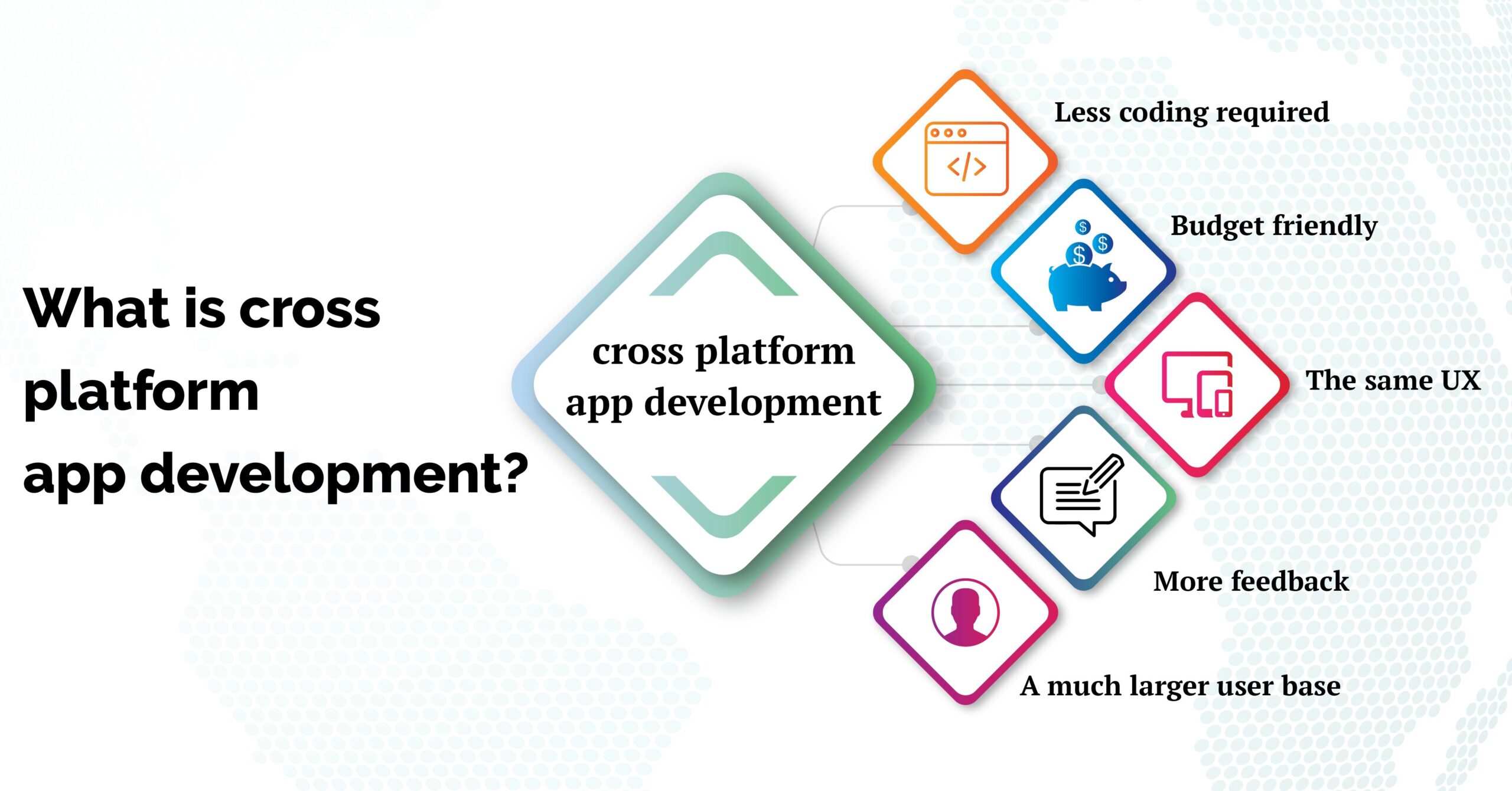
Cross-platform development significantly reduces these costs. Because developers work with a single codebase, they can:
- Reduce development time
- Lower maintenance expenses
- Minimize testing requirements
- Accelerate product updates
- Simplify bug fixes
For startups and small businesses with limited budgets, these savings can be particularly important. Even large enterprises benefit from improved efficiency and resource allocation.
Faster Time to Market
In highly competitive industries, speed is often a critical factor for success. Companies that can launch products quickly gain an advantage over competitors.
Cross-platform development allows teams to build and release applications faster because they do not need to create separate versions for each operating system. New features, updates, and security patches can be implemented simultaneously across multiple platforms.
This streamlined process helps businesses respond more quickly to market demands, customer feedback, and technological changes.
Consistent User Experience
Maintaining a consistent user experience is essential for building trust and brand recognition. Users should be able to switch between devices without needing to relearn how an application works.
Cross-platform applications help achieve this goal by using shared design principles and functionality across operating systems. While developers may make small adjustments to accommodate platform-specific guidelines, the overall experience remains familiar and intuitive.
Consistency also strengthens a company’s brand identity. When users encounter the same visual design, navigation structure, and functionality across devices, they develop greater confidence in the product.
Easier Maintenance and Updates
Software maintenance is an ongoing responsibility that continues long after an application is launched. Developers must regularly address security vulnerabilities, fix bugs, improve performance, and add new features.
Managing multiple codebases can make these tasks significantly more complicated. Every update must be implemented separately for each platform, increasing the risk of inconsistencies and delays.
Cross-platform development simplifies maintenance by centralizing much of the application’s logic into a single codebase. As a result, updates can often be deployed more efficiently and with fewer resources.
This approach not only reduces operational costs but also ensures that users receive improvements more quickly.
Supporting Remote Work and Digital Transformation
The rise of remote work has accelerated the demand for flexible software solutions. Employees frequently use multiple devices throughout the workday and expect seamless access to applications regardless of location.
Cross-platform software supports modern work environments by enabling employees to remain productive across various operating systems and hardware configurations. Organizations undergoing digital transformation initiatives increasingly favor software that works consistently across their entire technology ecosystem.
This flexibility has become particularly valuable as businesses adopt hybrid work models and distributed teams.
Improved Reach and Market Expansion
Every operating system represents a potential audience. Businesses that limit their software to a single platform may miss valuable opportunities to reach additional users.
Cross-platform applications allow organizations to serve broader audiences without dramatically increasing development costs. By supporting multiple operating systems from the beginning, companies can expand their market presence and attract users with diverse technology preferences.
This broader accessibility often contributes to higher adoption rates, increased revenue opportunities, and stronger customer retention.
The Role of Cloud Integration
Cloud computing has further accelerated the adoption of cross-platform applications. Modern software increasingly relies on cloud services for data synchronization, storage, collaboration, and account management.
Cross-platform applications work particularly well in cloud-connected environments because users can access their information from virtually any device. Whether someone is using Windows, macOS, Linux, Android, or iOS, cloud integration ensures continuity and accessibility.
As cloud infrastructure continues to evolve, the benefits of cross-platform development are expected to become even more significant.
The Future of Cross-Platform Applications
The future of software development points toward greater interoperability and platform independence. Advances in development frameworks, cloud computing, artificial intelligence, and web technologies continue to improve the quality and performance of cross-platform applications.
Developers are finding new ways to deliver experiences that closely match or even exceed traditional platform-specific applications. As hardware becomes more powerful and development tools become more sophisticated, the distinction between native and cross-platform software will continue to diminish.
Businesses that embrace cross-platform development are better positioned to adapt to changing technologies and user expectations.
Conclusion
Cross-platform applications are rapidly becoming the new standard because they address many of the challenges facing modern software development. They reduce costs, accelerate development, simplify maintenance, and provide consistent experiences across devices and operating systems.
As users continue to demand flexibility and businesses seek efficient ways to reach larger audiences, cross-platform development will play an increasingly important role in the technology industry. By enabling software to function seamlessly across multiple environments, cross-platform applications help create a more connected, accessible, and user-friendly digital world.
For developers, organizations, and end users alike, the future clearly points toward solutions that work everywhere, making cross-platform applications an essential part of modern software innovation.