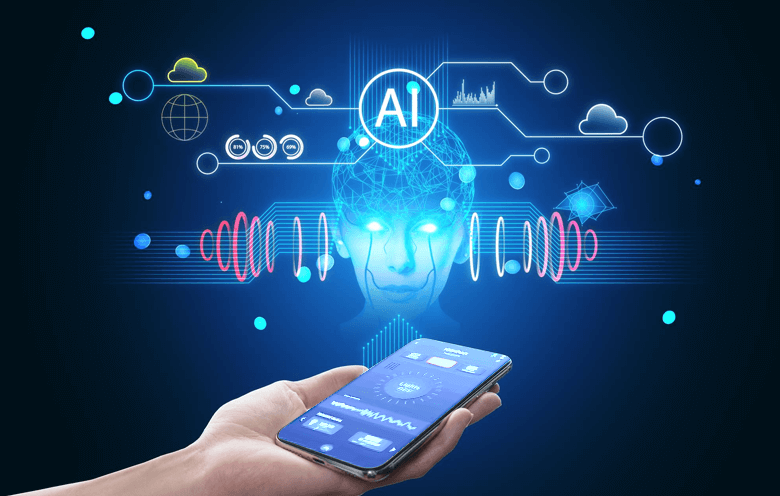
Artificial intelligence (AI) has become one of the most transformative technologies of the modern era. From healthcare and finance to education and entertainment, AI is reshaping industries and creating new opportunities for innovation. One area experiencing significant change is mobile application development. As smartphones continue to play a central role in everyday life, developers are increasingly leveraging AI to create smarter, more efficient, and highly personalized mobile experiences.
The integration of AI into mobile app development is not only improving the functionality of applications but also transforming the entire development process. From coding assistance and automated testing to personalized user experiences and advanced analytics, AI is revolutionizing how mobile applications are built, maintained, and used.
The Growing Importance of AI in Mobile Apps
Mobile applications have evolved far beyond simple tools for communication and entertainment. Today’s apps support complex business operations, online learning, digital healthcare, financial services, and much more. As user expectations continue to rise, developers face increasing pressure to deliver applications that are intelligent, responsive, and capable of adapting to individual needs.
Artificial intelligence helps address these challenges by enabling applications to process large amounts of data, identify patterns, and make informed decisions. Instead of simply responding to user inputs, AI-powered apps can anticipate needs, provide recommendations, and automate tasks.
This shift is helping create mobile experiences that are more engaging, efficient, and valuable for users.
AI-Powered Personalization
One of the most visible ways AI is transforming mobile applications is through personalization. Modern users expect apps to understand their preferences and provide relevant content without requiring extensive manual customization.
AI makes this possible by analyzing user behavior, interactions, and preferences over time. Mobile applications can then use this information to deliver personalized experiences such as:
- Customized content recommendations
- Personalized product suggestions
- Adaptive user interfaces
- Tailored notifications
- Individualized learning experiences
Streaming services, e-commerce platforms, and social media applications are among the most common examples of AI-driven personalization.
By providing content and features that match user interests, mobile applications can improve engagement, retention, and overall user satisfaction.
Smarter User Interactions
Artificial intelligence has significantly improved how users interact with mobile applications. Natural language processing (NLP), a branch of AI, enables apps to understand and respond to human language more effectively.
This technology powers features such as:
- Voice assistants
- Chatbots
- Voice search
- Real-time translation
- Smart text prediction
Instead of navigating complex menus, users can communicate with applications using natural speech or text. This creates more intuitive experiences and improves accessibility for a broader range of users.
As NLP technology continues to advance, mobile applications will become even better at understanding context, intent, and user preferences.
Accelerating the Development Process
AI is not only changing the applications themselves—it is also transforming how developers build them.
Modern development tools increasingly incorporate AI-powered coding assistants that help programmers write code more efficiently. These tools can:
- Suggest code completions
- Identify potential errors
- Recommend best practices
- Generate code snippets
- Assist with debugging
By automating routine coding tasks, AI allows developers to focus on higher-level problem-solving and innovation.
This increased efficiency can reduce development time, lower costs, and improve software quality.
Automated Testing and Quality Assurance
Testing is one of the most important stages of mobile application development. Ensuring that an app functions correctly across different devices, operating systems, and user scenarios can be time-consuming and resource-intensive.
AI-powered testing tools help streamline this process by automatically identifying issues and predicting potential areas of concern.
Benefits of AI-driven testing include:
- Faster bug detection
- Improved test coverage
- Reduced manual effort
- Enhanced reliability
- Continuous quality monitoring
These capabilities help developers deliver more stable and reliable applications while accelerating release cycles.
As mobile ecosystems become increasingly complex, automated testing solutions are becoming essential components of modern development workflows.
Enhancing Mobile Security
Security is a growing concern in the mobile app industry. Users increasingly rely on mobile applications for banking, shopping, healthcare, and communication, making them attractive targets for cybercriminals.
Artificial intelligence is helping strengthen mobile security through advanced threat detection and risk analysis.
AI-powered security systems can:
- Identify suspicious behavior
- Detect fraudulent activities
- Monitor unusual login attempts
- Analyze security threats in real time
- Prevent unauthorized access
These capabilities enable applications to respond more quickly to potential threats and provide stronger protection for user data.
As cybersecurity challenges continue to evolve, AI will play an increasingly important role in maintaining secure mobile environments.
Improved User Analytics
Understanding user behavior is essential for creating successful mobile applications. AI-powered analytics tools help developers gain deeper insights into how users interact with their apps.
These tools can analyze large volumes of data to identify:
- Usage patterns
- Feature popularity
- Customer preferences
- Engagement trends
- Potential areas for improvement
Developers can use these insights to make informed decisions about feature development, interface design, and user experience optimization.
Data-driven improvements help ensure that applications continue to meet user expectations and remain competitive in rapidly changing markets.
AI and Predictive Functionality
Predictive capabilities are becoming a defining feature of many modern mobile applications. By analyzing historical data and user behavior, AI can anticipate future actions and provide proactive assistance.
Examples of predictive functionality include:
- Smart scheduling recommendations
- Predictive search results
- Traffic and navigation forecasts
- Personalized shopping suggestions
- Health and fitness insights
These features reduce the effort required from users while improving convenience and efficiency.
As predictive algorithms become more sophisticated, mobile applications will be able to offer increasingly accurate and valuable recommendations.
Supporting Cross-Platform Development
The demand for cross-platform mobile applications continues to grow as users expect seamless experiences across devices and operating systems.
AI is helping developers create and maintain applications that work consistently on multiple platforms. Automated code analysis, testing, and optimization tools simplify cross-platform development and reduce compatibility issues.
This approach allows businesses to reach larger audiences while minimizing development costs and maintenance requirements.
As development frameworks continue to evolve, AI-powered tools will play a key role in supporting efficient cross-platform application development.
Challenges and Ethical Considerations
Despite its many advantages, AI integration also presents certain challenges. Developers must carefully address issues related to privacy, transparency, and ethical use of data.
Important considerations include:
- Data security
- User consent
- Algorithm transparency
- Bias prevention
- Responsible AI implementation
Users increasingly want to understand how their information is collected, processed, and used. Building trust requires clear communication and strong privacy protections.
Organizations that prioritize ethical AI practices will be better positioned to maintain user confidence and long-term success.
The Future of AI in Mobile Development
The future of mobile application development will be closely tied to advancements in artificial intelligence. As machine learning models become more powerful and accessible, developers will gain new opportunities to create innovative user experiences.
Future developments may include:
- More advanced virtual assistants
- Real-time language translation
- Autonomous app optimization
- Intelligent content generation
- Enhanced augmented reality experiences
- Personalized digital ecosystems
These innovations will continue pushing the boundaries of what mobile applications can achieve.
Conclusion
Artificial intelligence is revolutionizing mobile application development by transforming both the creation process and the user experience. From personalized recommendations and intelligent interactions to automated testing and enhanced security, AI is helping developers build smarter, more capable applications.
As technology continues to evolve, AI-powered mobile apps will become increasingly efficient, intuitive, and adaptive. While challenges related to privacy and ethical implementation remain important, the benefits of AI are driving widespread adoption across the industry.
For developers, businesses, and users alike, AI represents a powerful force shaping the future of mobile technology. Its influence will continue to expand in the coming years, creating new opportunities for innovation and redefining what mobile applications can accomplish.