In today’s digital world, mobile applications have become an essential part of everyday life. People rely on apps for communication, banking, shopping, entertainment, healthcare, and countless other activities. While these applications offer convenience and efficiency, they also collect large amounts of personal information. As concerns about data security and online surveillance continue to grow, users are increasingly seeking privacy-focused mobile apps that prioritize the protection of their personal information.
Understanding the Importance of Digital Privacy
Digital privacy refers to the ability of individuals to control how their personal information is collected, stored, shared, and used online. Every time users download an application, create an account, or interact with digital services, they generate data that may include their location, browsing habits, contacts, financial details, and personal preferences.
Over the past decade, numerous high-profile data breaches and privacy scandals have highlighted the risks associated with excessive data collection. As a result, consumers have become more aware of the importance of protecting their digital identities. Many users now carefully review privacy policies, app permissions, and data-sharing practices before installing new applications.
This growing awareness has created significant demand for mobile apps that offer stronger privacy protections and greater transparency.
Why Privacy-Focused Apps Are Gaining Popularity
Several factors are driving the increasing popularity of privacy-focused mobile applications.
Rising Concerns About Data Collection
Many traditional apps collect more information than is necessary to provide their services. Users are becoming increasingly uncomfortable with extensive tracking practices that monitor their activities across multiple platforms. Privacy-focused apps typically limit data collection to only what is required for functionality, helping users maintain greater control over their personal information.
Increased Awareness of Cybersecurity Risks
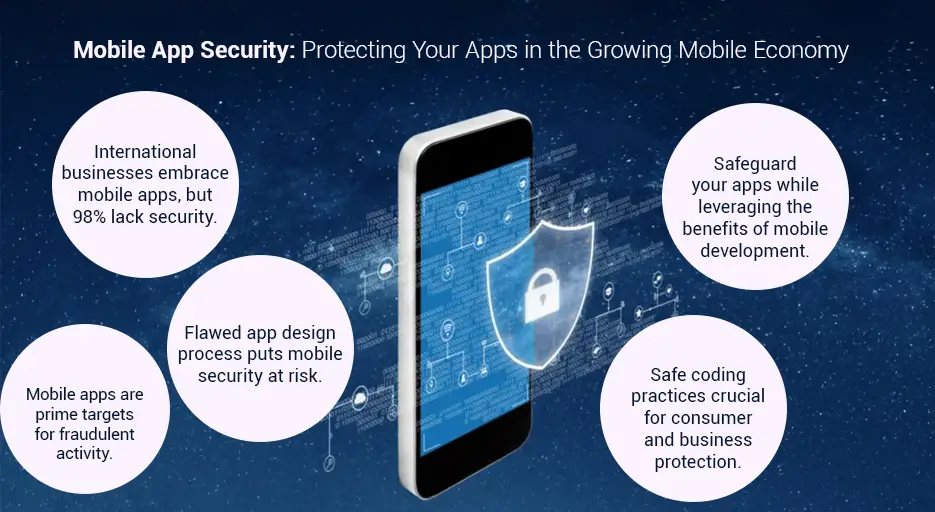
Cybercriminals continue to develop sophisticated methods for stealing sensitive information. Data breaches can expose passwords, financial records, and personal details, leading to identity theft and financial loss. Privacy-focused applications often incorporate advanced security measures such as end-to-end encryption, secure authentication, and local data storage to reduce these risks.
Growing Regulatory Requirements
Governments around the world have introduced stricter privacy regulations designed to protect consumers. Laws such as the General Data Protection Regulation (GDPR) in Europe and various consumer privacy regulations in other regions have encouraged app developers to adopt stronger privacy standards. Compliance with these regulations has become an important factor for businesses seeking to build user trust.
Consumer Demand for Transparency
Modern users want to understand how their information is being handled. Privacy-focused developers often provide clear explanations about data collection practices, storage methods, and security measures. This transparency helps establish credibility and fosters long-term user confidence.
Key Features of Privacy-Focused Mobile Apps
Privacy-focused applications distinguish themselves by implementing features that prioritize user security and data protection.
End-to-End Encryption
One of the most important privacy features is end-to-end encryption. This technology ensures that only the sender and intended recipient can access the contents of a message or file. Even service providers cannot view encrypted communications, significantly enhancing user privacy.
Minimal Data Collection
Many privacy-focused apps follow the principle of data minimization. Instead of gathering extensive user information, they collect only the data necessary to deliver core functionality. This approach reduces the amount of sensitive information stored on servers and lowers potential exposure during security incidents.
User Control and Consent
Privacy-conscious applications often provide users with detailed controls over their personal information. Users can decide what data is shared, revoke permissions, delete stored information, and customize privacy settings according to their preferences.
Open-Source Development
Some privacy-focused apps use open-source software, allowing independent experts to review the source code. This transparency helps identify security vulnerabilities and verify that the application operates as advertised.
Secure Authentication Methods
Modern privacy-focused applications frequently implement advanced authentication mechanisms, including biometric verification and multi-factor authentication. These features add additional layers of security to protect user accounts from unauthorized access.
Industries Benefiting from Privacy-Focused Applications
The demand for privacy-centered solutions extends across multiple industries.
Communication
Messaging and video-calling apps have become primary tools for personal and professional communication. Users increasingly prefer platforms that provide secure messaging and encrypted communications to safeguard sensitive conversations.
Financial Services
Mobile banking and digital payment applications handle highly sensitive financial information. Privacy-focused security measures help protect users from fraud, unauthorized transactions, and identity theft.
Healthcare
Healthcare applications often store medical records and personal health data. Strong privacy protections are essential for maintaining patient confidentiality and ensuring compliance with healthcare regulations.
Social Networking
Traditional social media platforms have faced criticism regarding data collection and targeted advertising practices. Privacy-focused social networking alternatives are emerging to provide users with greater control over their personal information and online interactions.
Challenges Facing Privacy-Focused App Developers
Despite growing demand, developers of privacy-focused applications face several challenges.
Balancing privacy and convenience can be difficult. Some users expect highly personalized experiences that require data collection. Developers must find ways to deliver useful features without compromising privacy.
Additionally, implementing advanced security technologies can increase development costs and complexity. Smaller companies may struggle to compete with larger organizations that have greater resources and established user bases.
Educating consumers also remains a challenge. Many users understand that privacy is important but may not fully comprehend how different applications handle their data. Clear communication and user-friendly privacy settings are essential for broader adoption.
The Future of Privacy-Focused Mobile Apps
The future of mobile applications is likely to be shaped by increasing demand for stronger privacy protections. As technology continues to evolve, consumers will expect developers to prioritize transparency, security, and user control.
Artificial intelligence, cloud computing, and connected devices will generate even larger volumes of personal data. This trend will further emphasize the importance of privacy-centered design principles. Companies that invest in robust privacy practices may gain a competitive advantage by building trust and fostering customer loyalty.
Moreover, ongoing regulatory developments will likely encourage higher standards for data protection across the mobile app industry. Organizations that proactively adopt privacy-focused approaches will be better positioned to meet future compliance requirements.
Conclusion
The growing demand for privacy-focused mobile apps reflects a broader shift in consumer expectations regarding digital security and personal data protection. Users are becoming more informed about privacy risks and increasingly prefer applications that offer transparency, minimal data collection, and strong security measures.
As cybersecurity threats continue to evolve and privacy regulations become more comprehensive, privacy-focused mobile applications will play an increasingly important role in the digital ecosystem. Developers who prioritize user trust and data protection will be well-positioned to succeed in an increasingly privacy-conscious marketplace.