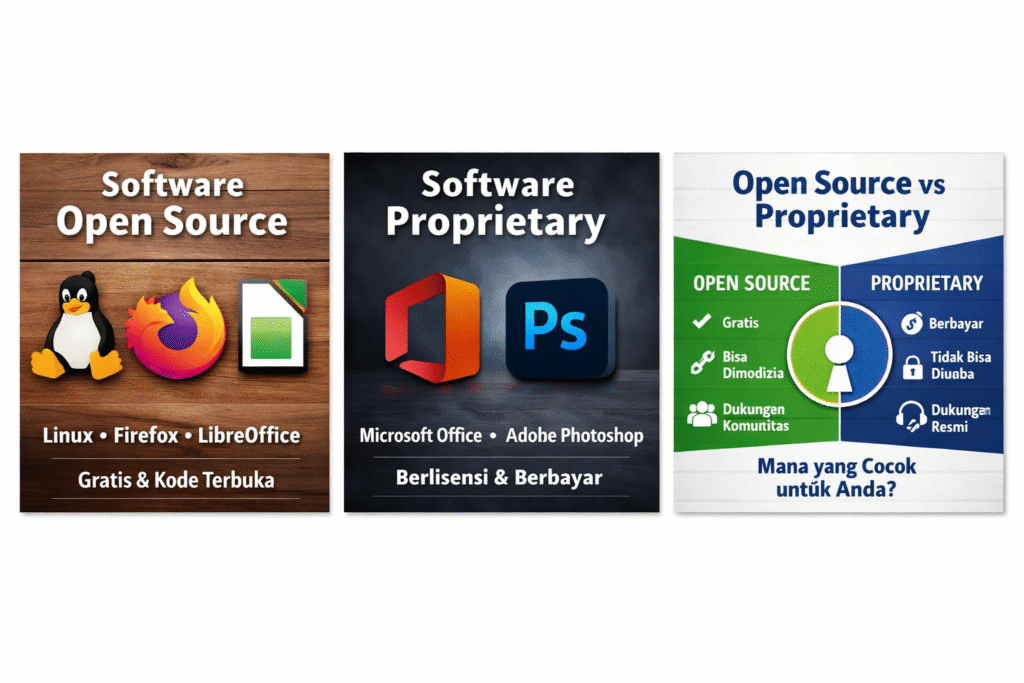
The software industry has long been shaped by two competing development models: open source software and proprietary software. Both approaches have influenced the growth of technology, powered innovation, and helped businesses and individuals accomplish a wide variety of tasks. As software becomes increasingly important in daily life, the debate over which model offers the best future continues to attract attention from developers, businesses, and users alike.
While some people strongly support the openness and flexibility of open source software, others prefer the stability, support, and polished experiences often associated with proprietary solutions. The reality is that both models have unique advantages and challenges. Understanding their differences can help users make informed decisions and provide insight into the future of software development.
Understanding Open Source Software
Open source software is software whose source code is publicly available. This means anyone can inspect, modify, distribute, and improve the software according to the terms of its license.
Some of the world’s most important technologies are built on open source foundations. Operating systems, web servers, programming languages, databases, and development tools frequently rely on open source contributions from global communities of developers.
The open source model encourages collaboration and transparency. Developers from different countries and organizations can work together to improve software, identify security issues, and introduce new features.
Popular examples of open source software include web browsers, office applications, content management systems, and operating systems used by millions of people around the world.
Understanding Proprietary Software
Proprietary software is developed and owned by a company or organization that controls access to the source code. Users typically purchase licenses or subscriptions that allow them to use the software while the company retains ownership and development control.
Many of the most widely used commercial applications are proprietary. These products often focus on delivering polished user experiences, professional support, extensive documentation, and predictable development roadmaps.
Companies that develop proprietary software invest heavily in research, development, marketing, customer service, and security. Revenue generated from software sales or subscriptions helps fund ongoing improvements and innovation.
For many businesses, proprietary software offers reliability, accountability, and access to dedicated support teams that can quickly address technical issues.
The Advantages of Open Source Software
Open source software has gained significant popularity because of its flexibility and community-driven development model.
Some key advantages include:
Transparency
Users can inspect the source code and understand exactly how the software operates. This transparency helps build trust and allows security experts to identify potential vulnerabilities.
Customization
Organizations can modify open source software to meet their specific requirements. This flexibility is particularly valuable for businesses with unique workflows or technical needs.
Cost Efficiency
Many open source applications are available at little or no cost. This makes them attractive to startups, educational institutions, non-profit organizations, and individual users.
Community Innovation
Open source communities often introduce new features and improvements rapidly. Contributions from diverse developers can accelerate innovation and problem-solving.
Reduced Vendor Dependence
Because the source code is accessible, users are less dependent on a single vendor for updates, support, or future development.
The Advantages of Proprietary Software
Despite the growth of open source alternatives, proprietary software continues to dominate many areas of the market.
Its advantages include:
Professional Support
Most proprietary software vendors provide dedicated customer support, training resources, and technical assistance.
User-Friendly Experiences
Commercial software companies often invest heavily in design, usability, and customer experience, making their products accessible to a broad audience.
Consistent Development
A centralized development team can maintain a clear product vision and ensure consistency across updates and features.
Integrated Ecosystems
Many proprietary software providers offer complete ecosystems that connect multiple applications and services seamlessly.
Accountability
Users know who is responsible for maintaining and improving the software, which can provide additional confidence for businesses and enterprise customers.
Security Considerations
Security is one of the most debated aspects of the open source versus proprietary software discussion.
Supporters of open source software argue that public access to source code allows security experts worldwide to identify and fix vulnerabilities more quickly. This approach promotes transparency and peer review.
Supporters of proprietary software argue that restricting access to source code reduces opportunities for malicious actors to study software internals. Commercial vendors also invest significant resources in security testing and threat detection.
In reality, both models can achieve high levels of security when properly managed. Security depends more on development practices, update frequency, and responsible maintenance than on the licensing model itself.
Innovation and Technological Progress
Both open source and proprietary software contribute significantly to technological innovation.
Open source projects often drive experimentation and collaboration. Many emerging technologies, including cloud computing platforms, artificial intelligence frameworks, and modern web technologies, have strong open source foundations.
At the same time, proprietary software companies invest billions of dollars in research and development. Their financial resources enable large-scale innovation, advanced product development, and specialized solutions that might be difficult for volunteer-driven communities to create.
The relationship between the two models is often more collaborative than competitive. Many proprietary software companies actively contribute to open source projects, while open source communities benefit from commercial investments and sponsorships.
The Rise of Hybrid Models
One of the most interesting trends in the software industry is the emergence of hybrid development models. Many organizations now combine elements of both open source and proprietary approaches.
Examples include:
- Open core business models
- Commercial support for open source software
- Proprietary software built on open source technologies
- Cloud services based on open source platforms
These hybrid strategies allow companies to benefit from community innovation while maintaining sustainable business operations.
As a result, the traditional distinction between open source and proprietary software is becoming less rigid.
What Businesses Prefer
Business software decisions are typically driven by practical considerations rather than ideology.
Organizations often evaluate factors such as:
- Cost
- Security
- Support availability
- Scalability
- Integration capabilities
- Regulatory compliance
- Long-term sustainability
Some businesses choose open source solutions to reduce costs and increase flexibility. Others prefer proprietary software because of vendor support and guaranteed service levels.
Increasingly, companies use a combination of both models depending on their specific requirements.
Which Model Will Win?
The question of whether open source or proprietary software will ultimately “win” may be based on a false assumption. The software industry has evolved to a point where both models play essential roles.
Open source software powers much of the internet, cloud infrastructure, and software development ecosystem. Proprietary software continues to dominate many consumer, enterprise, and creative software markets.
Rather than replacing one another, the two models are increasingly interconnected. Open source projects provide innovation and flexibility, while proprietary solutions offer specialized features, support, and polished user experiences.
The future is likely to involve continued collaboration between both approaches.
Conclusion
The debate between open source and proprietary software is unlikely to produce a single winner because both models offer valuable benefits. Open source software excels in transparency, customization, community collaboration, and flexibility. Proprietary software provides professional support, consistent development, integrated ecosystems, and user-friendly experiences.
As technology continues to evolve, businesses and individuals will increasingly choose software based on their specific needs rather than the development model alone. The rise of hybrid approaches demonstrates that the strengths of both systems can coexist and complement one another.
In the end, the future of software will not be defined by one model defeating the other. Instead, it will be shaped by how open source and proprietary software continue to work together to drive innovation, solve problems, and create better digital experiences for users around the world.